Find the Best Kitchen Tools for Beginners: Your Ultimate Guide
So, you’ve decided to dive into the world of cooking. Awesome! But wait... where do you even start? The kitchen can feel like a jungle of gadgets, utensils, and appliances. Trust me, I’ve been there—staring at aisles of shiny tools wondering what I actually need. Lucky for you, I’m here to break it down and help you find the best kitchen tools for beginners. No fluff, no fancy jargon, just the essentials that’ll make your cooking journey fun and stress-free.
Why Picking the Right Tools Matters
Let’s be real: cooking is way more enjoyable when you have the right tools. Imagine trying to chop veggies with a dull knife or scramble eggs in a pan that sticks like crazy. Frustrating, right? The right kitchen tools don’t just make cooking easier—they make it fun. Plus, they help you build confidence. When you know your tools can handle the job, you’re more likely to experiment and try new recipes.
And hey, you don’t need a kitchen full of gadgets. A few well-chosen items will do the trick. It’s all about quality over quantity. So, let’s get into what those must-haves are.
Best Kitchen Tools for Beginners: What You Really Need
Alright, here’s the good stuff. I’m going to list the essentials that every beginner should have. These tools are versatile, easy to use, and won’t break the bank.
1. Chef’s Knife
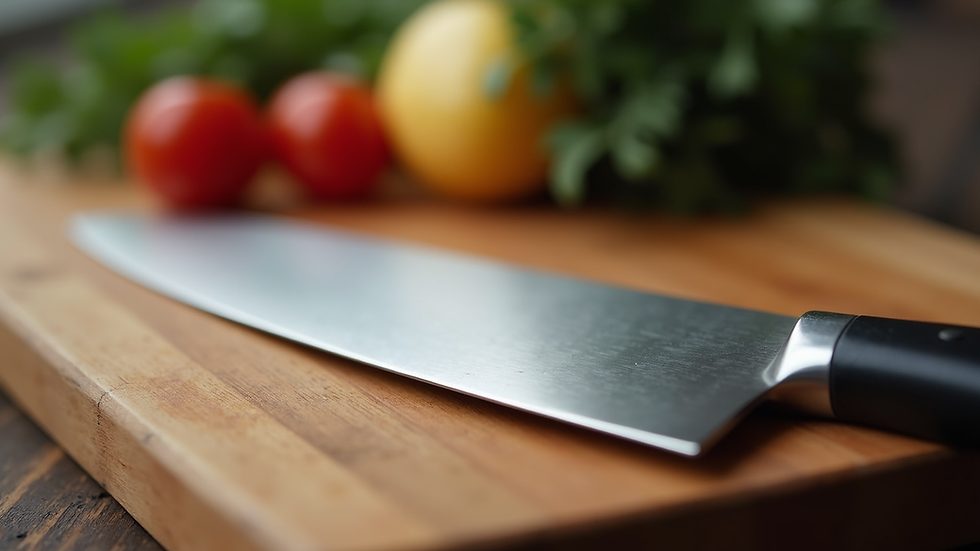
If you buy only one thing, make it a good chef’s knife. This is your all-purpose blade for chopping, slicing, and dicing. Look for a knife that feels comfortable in your hand and has a sharp blade. Trust me, a sharp knife is safer and more efficient than a dull one.
2. Cutting Board
Get a sturdy cutting board that won’t slip around. Wood or bamboo boards are great because they’re gentle on your knives. Plus, they look nice on your countertop. Pro tip: have separate boards for veggies and meat to avoid cross-contamination.
3. Non-Stick Skillet
A good non-stick skillet is a beginner’s best friend. It’s perfect for eggs, pancakes, and sautéing veggies without sticking or burning. Look for a 10-12 inch size—it’s versatile enough for most recipes.
4. Saucepan
A medium-sized saucepan (around 2-3 quarts) is perfect for boiling pasta, making sauces, or cooking grains. Choose one with a lid to keep things covered and cook faster.
5. Mixing Bowls
You’ll need a set of mixing bowls in different sizes. They’re great for prepping ingredients, mixing batters, or tossing salads. Stainless steel or glass bowls are easy to clean and durable.
6. Measuring Cups and Spoons
Precision matters, especially when baking. Get a set of measuring cups for dry ingredients and a liquid measuring cup for things like milk or oil. Don’t forget measuring spoons for spices and smaller amounts.
7. Wooden Spoon and Spatula
Wooden spoons are gentle on your pans and perfect for stirring. A silicone spatula is great for scraping bowls and flipping food without scratching your cookware.
8. Colander
A colander is essential for draining pasta, washing veggies, or rinsing beans. Look for one that’s sturdy and has plenty of holes for quick draining.
9. Baking Sheet
Even if you’re not a baker, a baking sheet is super useful. Roast veggies, bake chicken, or make sheet pan dinners with ease. Choose a rimmed sheet to avoid spills.
10. Can Opener
Sounds basic, but a reliable can opener is a must-have. Avoid the cheap ones that jam or leave sharp edges.

How to Choose Quality Tools Without Breaking the Bank
I get it—kitchen tools can get pricey fast. But you don’t have to spend a fortune to get good stuff. Here’s how I shop smart:
Buy basics first: Start with the essentials listed above. You can always add more tools later.
Look for durability: Stainless steel and solid wood usually last longer than plastic.
Avoid gimmicks: If a tool sounds too complicated or has a million parts, skip it. Simple is better.
Check reviews: See what other home cooks say about the product. Real feedback is gold.
Shop local or online: Sometimes local kitchen stores have great deals, but online shops often have more variety and better prices.
Remember, the best kitchen tools for beginners are the ones you’ll actually use. No point in buying a fancy gadget that ends up collecting dust.
Bonus Tips: Caring for Your Tools
Once you’ve got your tools, take care of them! Here’s how:
Keep knives sharp: Use a sharpening stone or get them professionally sharpened.
Hand wash when possible: Some tools last longer if you avoid the dishwasher.
Store properly: Use knife blocks, drawer organizers, or hooks to keep things tidy.
Replace when needed: Don’t hold on to tools that are worn out or damaged.
Taking care of your tools means they’ll serve you well for years.

Ready to Cook Like a Pro?
Now that you know what tools to get and how to care for them, you’re all set to start cooking with confidence. Remember, cooking is a journey, not a race. Take your time, have fun, and don’t be afraid to make mistakes. Every great chef started somewhere, and with the right tools, you’re already ahead of the game.
If you want more tips, recipes, or honest restaurant reviews, check out Randall's Kitchen. It’s a fantastic spot for home cooks and food lovers, especially if you’re in and around Los Angeles. Trust me, it’s like having a foodie friend in your pocket.
Happy cooking!


Comments