Essential Cooking Tips for Kitchen Beginners: Mastering Beginner Kitchen Techniques
So, you’ve decided to dive into the world of cooking. Maybe you’re tired of takeout, or you just want to impress your friends with a homemade meal. Either way, welcome! Cooking can seem intimidating at first, but trust me, it’s not rocket science. With a few beginner kitchen techniques under your belt, you’ll be whipping up tasty dishes in no time. Let’s chat about some essential tips that’ll make your kitchen adventures way more fun and way less stressful.
Getting Comfortable with Beginner Kitchen Techniques
First things first: don’t panic. The kitchen is your playground, and every great chef started exactly where you are now. One of the best beginner kitchen techniques is simply getting familiar with your tools and ingredients.
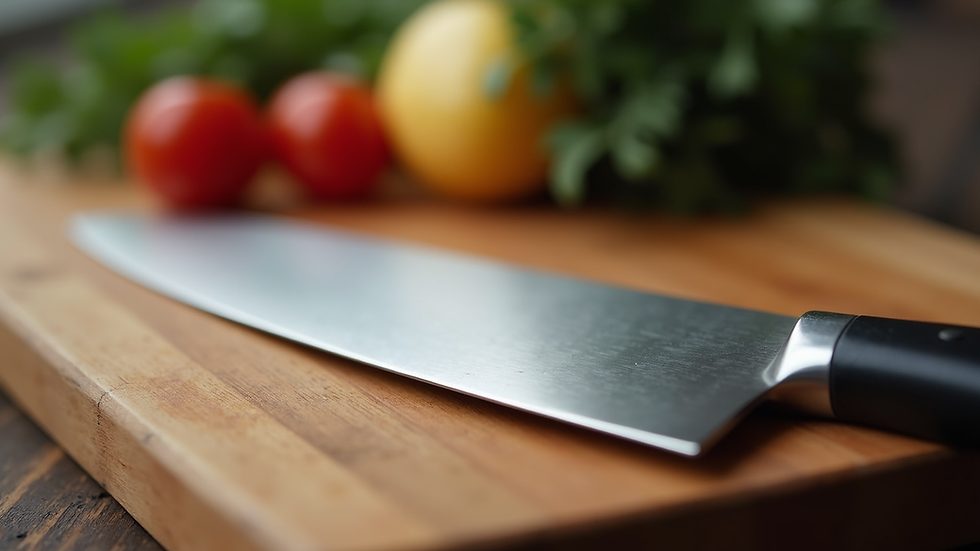
Start by organizing your kitchen. Know where your knives, cutting boards, pots, and pans live. It sounds basic, but trust me, scrambling to find a peeler mid-recipe is no fun. Also, invest in a good chef’s knife. It’s your best friend. Learn how to hold it properly and practice chopping veggies safely. You’ll feel like a pro in no time.
Oh, and don’t forget to read the recipe all the way through before you start. It’s like a little roadmap for your cooking journey. Knowing what’s coming up helps you prep better and avoid surprises.
Mastering the Basics: Knife Skills and Ingredient Prep
Let’s talk knife skills. I know, it sounds fancy, but it’s just about chopping, slicing, and dicing like a boss. Here’s a quick rundown:
Use a sharp knife: Dull knives are dangerous because they slip. Keep yours sharp.
Curl your fingers: When holding the food, tuck your fingertips under to avoid cuts.
Practice basic cuts: Learn the difference between a dice, chop, and julienne. It’s easier than it sounds.
Once you’ve got your knife skills down, focus on ingredient prep. Wash your veggies, measure your spices, and have everything ready before you start cooking. This is called mise en place (French for “everything in its place”), and it’s a game-changer.

How to Avoid Common Beginner Mistakes
We all mess up sometimes. I’ve burned toast, over-salted soup, and undercooked chicken more times than I can count. But here’s the thing: mistakes are part of learning. Let’s talk about some common pitfalls and how to dodge them.
Don’t overcrowd the pan: When you toss too much food in a pan, it steams instead of browns. Give your ingredients space to sizzle.
Season as you go: Waiting until the end to add salt or spices is a rookie move. Taste and season throughout cooking.
Use timers: Your memory might be great, but the stove doesn’t care. Set timers to avoid burning or overcooking.
Read labels and instructions carefully: Especially when using new ingredients or appliances.
If you want to dive deeper into cooking tips for beginners, there are tons of resources out there that break down these mistakes and how to fix them.
Essential Kitchen Tools Every Beginner Should Have
You don’t need a fancy kitchen to cook well, but having the right tools makes life easier. Here’s my no-nonsense list of essentials:
Chef’s knife - sharp and comfortable.
Cutting board - preferably one for veggies and one for meat.
Non-stick skillet - for easy cooking and cleanup.
Saucepan - for sauces, boiling, and reheating.
Measuring cups and spoons - because eyeballing doesn’t always cut it.
Mixing bowls - for prep and mixing.
Colander - for draining pasta and washing produce.
Wooden spoon and spatula - gentle on your pans and versatile.
You don’t need to buy everything at once. Start small and add tools as you go. And remember, the best tool is your enthusiasm!

Tips for Staying Motivated and Having Fun in the Kitchen
Cooking should be enjoyable, not a chore. Here’s how I keep the fun alive, even when things get tricky:
Play your favorite music or podcast: Cooking with a soundtrack makes the time fly.
Experiment with flavors: Don’t be afraid to tweak recipes. Add a pinch of this or a dash of that.
Cook with friends or family: It’s more fun and less stressful.
Celebrate small wins: Made a decent omelet? High five yourself.
Don’t stress about perfection: Sometimes burnt edges add character.
Remember, every meal you make is a step forward. Even if it’s not perfect, you’re learning and growing. And hey, if it’s edible, that’s a win in my book.
There you have it - a friendly guide to beginner kitchen techniques that’ll help you feel confident and excited about cooking. Whether you’re making your first scrambled eggs or tackling a full dinner, these tips will keep you on track. So grab that knife, put on your apron, and let’s get cooking!


Comments