Essential Cooking Tips for Kitchen Beginners: Mastering Beginner Kitchen Techniques
So, you’ve decided to dive into the world of cooking. Maybe you’re tired of takeout, or you just want to impress your friends with a homemade meal. Either way, welcome! Cooking can seem intimidating at first, but trust me, it’s not rocket science. With a few beginner kitchen techniques under your belt, you’ll be whipping up tasty dishes in no time. Let’s chat about some essential tips that’ll make your kitchen adventures fun, easy, and maybe even a little bit delicious.
Getting Comfortable with Beginner Kitchen Techniques
First things first: don’t panic. The kitchen is your playground, and every great chef started exactly where you are now. The key is to get comfortable with the basics. Here’s what I mean:
Know your tools: Get familiar with your knives, pots, pans, and gadgets. You don’t need every fancy tool out there, but a good chef’s knife, a cutting board, and a couple of sturdy pans are must-haves.
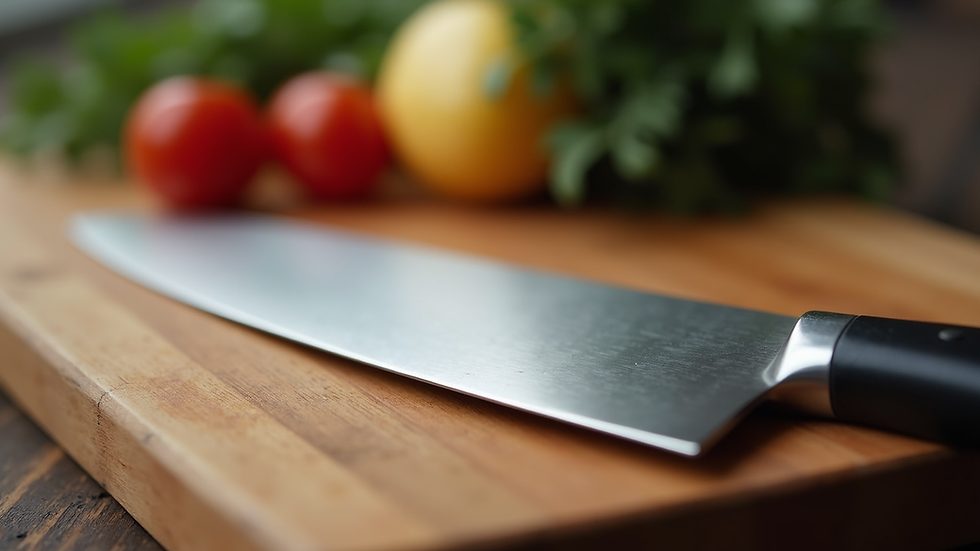
Practice knife skills: Sounds boring, but chopping veggies properly saves time and keeps you safe. Start with simple cuts like dicing onions or slicing carrots. Remember, curl your fingers back and use a rocking motion with the knife.
Understand heat control: Cooking isn’t just about throwing food in a pan. Knowing when to use low, medium, or high heat can make or break your dish. For example, searing meat needs high heat, but simmering sauces calls for low heat.
Don’t rush. Take your time to get these beginner kitchen techniques down. It’s like learning to ride a bike - wobbly at first, but smooth once you get the hang of it.

Stocking Your Kitchen Like a Pro
You don’t need a pantry that looks like a grocery store, but having the right ingredients and tools on hand makes cooking way easier. Here’s my no-fail list for beginners:
Staples to keep stocked: Olive oil, salt, pepper, garlic, onions, canned tomatoes, dried pasta, rice, and some basic spices like paprika, cumin, and chili powder.
Fresh ingredients: Always have a few fresh veggies and herbs. They add flavor and color to any dish.
Essential kitchen tools: A good cutting board, a sharp chef’s knife, measuring cups and spoons, mixing bowls, and a reliable skillet or saucepan.
When you have these basics, you can tackle a wide range of recipes without running to the store every five minutes. Plus, it’s way less stressful when you’re in the middle of cooking.
How to Follow Recipes Without Freaking Out
Recipes can feel like a foreign language, especially if you’re new to cooking. But here’s a secret: they’re just guidelines, not rules carved in stone. Here’s how to make friends with recipes:
Read the whole recipe first: Don’t just jump in. Read through all the steps so you know what’s coming.
Prep everything before you start: Chop, measure, and get your ingredients ready. This is called “mise en place” (fancy French for “everything in its place”). It keeps you organized and less stressed.
Don’t be afraid to tweak: Hate cilantro? Leave it out. Don’t have a certain spice? Substitute with something similar. Cooking is creative, not a test.
Taste as you go: This is the best advice I can give. Adjust seasoning, add a pinch of salt, or a splash of lemon juice to brighten things up.
If you want to dive deeper, check out this cooking tips for beginners guide that breaks down recipe reading and execution in a super friendly way.

Mastering the Art of Seasoning
Seasoning is where your food goes from “meh” to “wow.” But it’s also where many beginners get stuck. Here’s the deal:
Salt is your best friend: It enhances flavors, so don’t be shy. But add it gradually and taste often.
Use fresh herbs and spices: They add layers of flavor. Fresh basil, thyme, or rosemary can transform a simple dish.
Acid is magic: A squeeze of lemon or a splash of vinegar can brighten up heavy or bland dishes.
Balance flavors: Sweet, salty, sour, bitter, and umami all play a role. If your dish tastes flat, think about what it’s missing.
Try seasoning in layers. For example, add a little salt while cooking, then adjust at the end. It’s like seasoning a story with little twists and turns.
Cleaning as You Go: The Secret to a Happy Kitchen
Nobody likes a messy kitchen, especially when you’re just starting out. Cleaning as you go is a game-changer. Here’s why:
Less stress: You won’t be overwhelmed with a mountain of dishes after dinner.
More space: Keeping your workspace clear helps you cook better and faster.
Safety: A clean kitchen reduces the risk of cross-contamination and accidents.
Here’s a quick routine to try:
Wash cutting boards and knives right after use.
Wipe down counters between steps.
Put away ingredients as soon as you’re done with them.
Load the dishwasher or wash dishes while food is cooking.
Trust me, your future self will thank you.
Your Next Steps in the Kitchen Adventure
Cooking is a journey, not a destination. Every meal you make teaches you something new. Don’t be afraid to experiment, make mistakes, and laugh at the occasional kitchen disaster. Remember, even the best chefs started as beginners.
If you want to keep leveling up, try new recipes, watch cooking videos, or join a local cooking class. And hey, if you’re in Los Angeles, there’s a whole community of food lovers ready to share tips and tasty ideas.
So grab your apron, sharpen that knife, and get cooking. Your kitchen adventure is just getting started!
Happy cooking, and remember - the best meals are made with a little love and a lot of curiosity.


Comments