Top Cooking Tips for Kitchen Newbies
- Greg Randall
- Oct 27, 2025
- 4 min read
So, you’ve decided to dive into the world of cooking. Awesome! But let’s be real—starting out in the kitchen can feel like trying to solve a Rubik’s cube blindfolded. I’ve been there, and trust me, it’s not as scary as it seems. With a few simple tricks and a bit of patience, you’ll be whipping up meals that make you want to high-five yourself. Ready? Let’s get cooking!
Beginner Cooking Advice That Makes a Difference
First things first, don’t panic if you burn a dish or mess up a recipe. It happens to everyone, even the pros. Cooking is a skill, and like any skill, it gets better with practice. Here’s some beginner cooking advice that I wish someone had told me when I started:
Start simple. Don’t jump into making Beef Wellington on day one. Master the basics like scrambled eggs, pasta, or a simple stir-fry.
Read the recipe all the way through. Sounds obvious, but you’d be surprised how many times I’ve started cooking without knowing what’s coming next.
Prep your ingredients first. Chop, measure, and organize everything before you turn on the stove. It makes cooking smoother and less stressful.
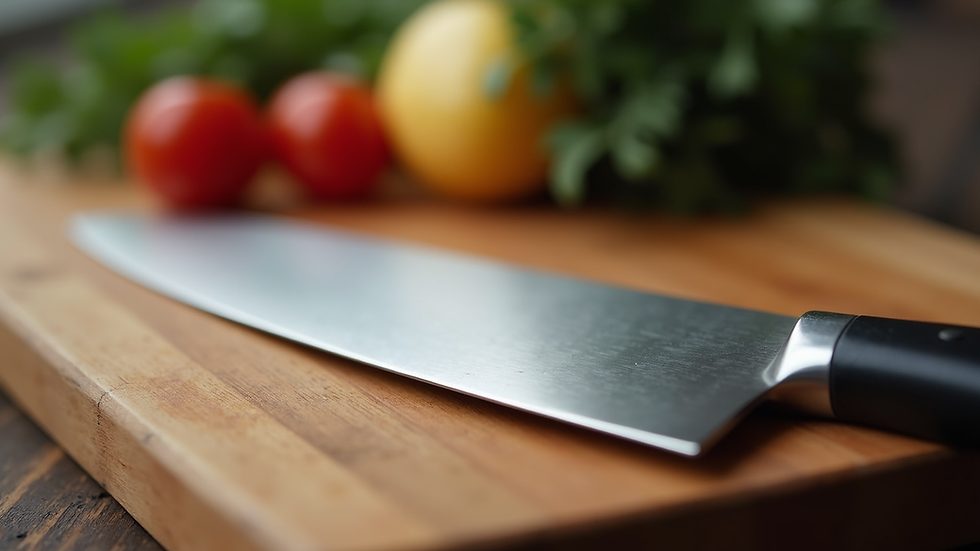
Invest in a good knife. A sharp knife is safer and makes prep way easier. Plus, it’s oddly satisfying to slice through veggies like a pro.
Taste as you go. Don’t wait until the end to find out your dish is bland or too salty. Adjust seasonings along the way.
If you want more detailed cooking tips for beginners, I highly recommend checking out Randall’s Kitchen. It’s packed with practical advice and recipes that won’t overwhelm you.

Mastering the Basics: Your Kitchen Toolkit
You don’t need a fancy kitchen full of gadgets to start cooking. But having a few essentials can make your life a lot easier. Here’s what I keep within arm’s reach:
A good chef’s knife - Your best friend for chopping, slicing, and dicing.
Cutting board - Preferably one for veggies and one for meat to avoid cross-contamination.
Non-stick skillet - Perfect for eggs, pancakes, and quick sautés.
Saucepan - For boiling pasta, making sauces, or cooking grains.
Measuring cups and spoons - Precision matters, especially when baking.
Mixing bowls - For tossing salads, mixing batters, or marinating.
Wooden spoon and spatula - Gentle on your pans and versatile.
Once you have these basics, you can start experimenting without feeling overwhelmed. And hey, if you’re ever unsure about what to buy or how to use something, there’s no shame in Googling or watching a quick YouTube tutorial.

What are the 5 P's of cooking?
You might have heard about the 5 P’s of cooking. They’re like the secret sauce to making your kitchen adventures less chaotic and more fun. Here’s the lowdown:
Proper Planning: Know what you’re making and gather all your ingredients and tools before you start. This saves you from frantic fridge raids mid-cook.
Preparation: Chop, measure, and organize everything. Mise en place, as the pros call it, means “everything in its place.”
Patience: Good food takes time. Don’t rush the process or you’ll end up with half-cooked or burnt meals.
Practice: The more you cook, the better you get. Don’t be afraid to mess up; it’s part of learning.
Presentation: We eat with our eyes first. A little garnish or neat plating can make your dish look restaurant-worthy.
Keep these in mind, and you’ll feel more confident every time you step into the kitchen.
How to Avoid Common Beginner Mistakes
Let’s be honest—everyone makes mistakes when they’re new to cooking. But some errors are easier to dodge than others. Here’s what I learned the hard way:
Don’t overcrowd the pan. If you dump too much food in at once, it steams instead of browns. Give your ingredients some breathing room.
Use the right heat. High heat is great for searing, but low and slow is better for simmering sauces or cooking delicate foods.
Season properly. Salt is your best friend, but don’t overdo it. Taste frequently and adjust.
Don’t skip resting time. Let meat rest after cooking to keep it juicy. It’s tempting to dig in right away, but patience pays off.
Follow recipes but don’t be a slave to them. Feel free to tweak ingredients or swap veggies based on what you have.
Remember, cooking is a journey. Every burnt toast or salty soup is just a step closer to becoming a kitchen ninja.
Making Cooking Fun and Stress-Free
If cooking feels like a chore, you’re less likely to stick with it. Here’s how I keep things light and enjoyable:
Play your favorite tunes. Nothing like a little kitchen dance party to lift your spirits.
Invite friends or family to join. Cooking together is a blast and less intimidating.
Experiment with flavors. Try new spices or herbs. You might discover a combo you love.
Celebrate small wins. Made a decent omelet? Pat yourself on the back.
Keep your kitchen tidy. A clean space makes cooking less stressful and more inviting.
And hey, if you ever feel stuck, Randall’s Kitchen is a great place to find inspiration and honest advice tailored for home cooks like you.
Cooking doesn’t have to be complicated or intimidating. With these tips, a bit of practice, and a dash of humor, you’ll be amazed at what you can create. So grab that knife, turn on the stove, and start your delicious journey today!


Comments